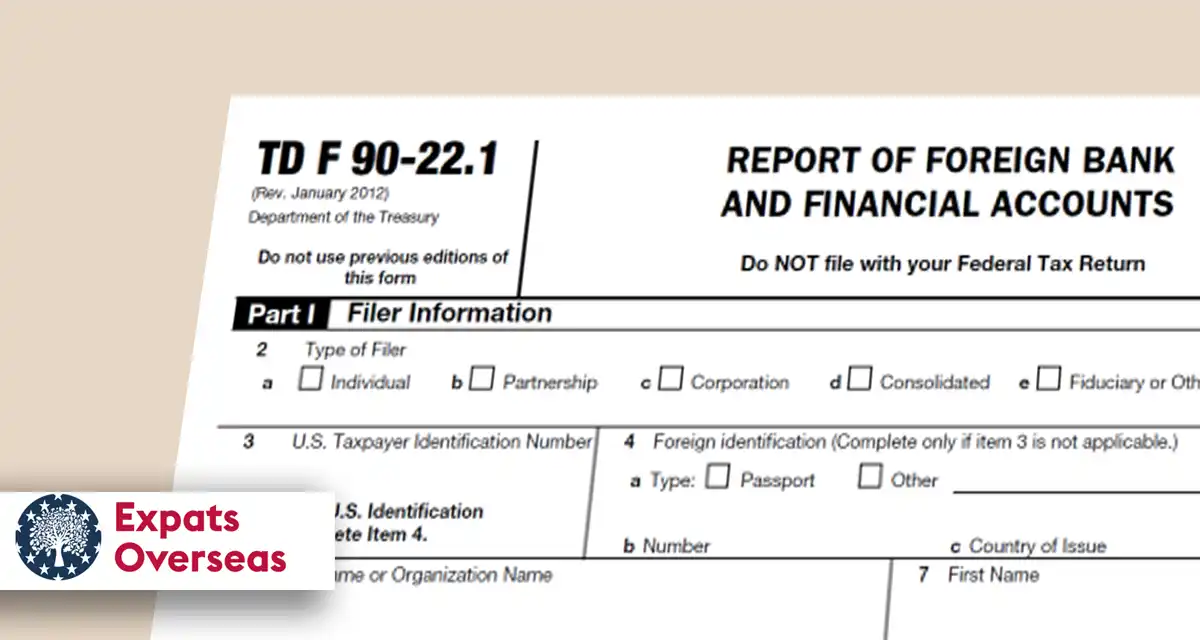
Living the expat life is an adventure filled with cultural experiences and personal growth. However, it also comes with a set of responsibilities, one of which is navigating the complex world of US expat taxes. Among these obligations is the annual requirement to file an FBAR (Report of Foreign Bank and Financial Accounts). At Expats Overseas, we understand the challenges you face, and we’re here to provide you with a comprehensive solution for US expat tax filing.
Understanding the FBAR
An FBAR, or FinCEN Form 114, is a critical document that expatriates must file to report their financial assets held in foreign banks and financial accounts. The purpose of the FBAR is to ensure transparency and prevent tax evasion by US citizens and residents with offshore accounts. Here’s a breakdown of the key aspects of FBAR filing:
Who Files an FBAR?
- US citizens living abroad
- US residents
- Green card holders
- Entities, including corporations and trusts, with financial interests in foreign accounts
FBAR Deadlines
The final FBAR deadline is April 15, following the calendar year reported. However, if you can’t meet this deadline, don’t panic! You have an automatic extension until October 15 to file your FBAR. No formal extension request is required.
FBAR filing Instructions
- To file an FBAR, use FinCEN Form 114.
- Ensure that you accurately report all foreign financial accounts with a combined value exceeding $10,000 at any point during the year.
- Provide essential information, including the account’s name, account number, and maximum account value.
Consequences of Missing the FBAR Deadline
Failing to meet the FBAR deadline can have serious consequences, and it’s crucial to understand these penalties to avoid any legal troubles:
Penalties for Willful Violations
For willful violations, the penalty can be as high as the greater of $100,000 or 50% of the account balance. This substantial penalty is a strong deterrent against intentional non-compliance.
Penalties for Non-Willful Violations
Non-willful violations carry a penalty of up to $10,000 per violation. Even unintentional mistakes can result in financial penalties, so it’s essential to stay informed and file on time.
Potential Criminal Charges
In some cases, criminal charges may be filed for egregious violations. Avoiding these charges is as simple as complying with the FBAR requirements and deadlines.
Does Late FBAR Filing Trigger an Audit?
One common concern among expatriates is whether late FBAR filing can trigger an audit. While FBARs will not be automatically subject to audit, they may be selected for audit through the existing audit selection processes in place for any tax or information returns. To ensure compliance and peace of mind, here are steps to resolve delinquent FBARs:
File Delinquent FBARs
If you missed the FBAR deadline, file the delinquent FBARs as soon as possible to rectify the situation.
Provide an Explanation
Attach a statement explaining why the FBAR was filed late. If it was due to reasonable cause, such as circumstances beyond your control, your case may be treated more leniently.
Expats Overseas
Navigating US expat tax obligations can be complex, but you don’t have to face them alone. Expats Overseas is your comprehensive solution for US expat tax filing, ensuring compliance with both US and local tax laws while helping you avoid double taxation.
Remember, the final FBAR deadline is a critical date on your expat calendar, and the penalties for missing it can be severe. By staying informed and timely filing your FBAR through our expert guidance, you can enjoy the expat life with peace of mind, knowing that your US tax obligations are in good hands. Contact Expats Overseas today to secure your financial future.
Sources FBAR Deadline: IRS